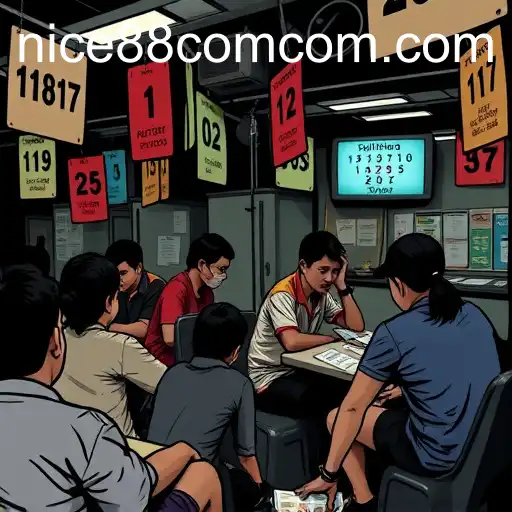
Understanding the Phenomenon of Jueteng and Its Impact on Society
Jueteng is a widespread numbers game that has taken root in the socio-economic landscape of the Philippines. While it is illegal, its persistence and popularity have made it a significant topic of discussion among Filipinos. This article delves into the intricacies of Jueteng, examining its historical background, socio-economic influence, and the challenges it poses to governance and law enforcement.
The Historical Roots of Jueteng
The origins of Jueteng can be traced back to the Spanish colonial period in the Philippines. It is believed to have been introduced by Chinese immigrants who brought with them various gambling games. Over time, Jueteng evolved and became embedded in local communities, especially in Luzon, the largest island in the Philippines.
Initially, Jueteng was considered a harmless diversion for many Filipinos. However, its unregulated and clandestine nature quickly attracted the attention of both local and national authorities. Despite numerous attempts to curb its growth, Jueteng has managed to flourish, becoming a deeply ingrained part of the country's cultural fabric.
Socio-Economic Impact of Jueteng
For many Filipinos, Jueteng is more than just an illegal numbers game. It serves as a source of livelihood for thousands who participate in the operation, from bet collectors, known locally as "kubradors," to the "cobradors" or supervisors. The game also provides a sense of hope for many participants; with meager investments, they dream of significant returns, as the promise of quick and easy money is an enticing prospect. However, the socio-economic impact of Jueteng goes deeper.
Employment and Community Impact
While illegal, Jueteng provides employment for many in economically depressed areas. The game's network is extensive and involves complex hierarchies and roles. This provides a paradox where the dependency on illegal activities for employment underscores larger issues of poverty and the lack of legitimate opportunities.
Social Programs and Community SupportIn some areas, portions of the proceeds from Jueteng are funneled into local communities. These funds are sometimes used in community projects or given as donations. Such practices build a layer of tolerance and protection for Jueteng operations within local communities, making it difficult for law enforcement to act without facing community backlash.
Challenges in Eradicating Jueteng
Despite the best efforts of various administrations, Jueteng remains a persistent problem. One of the primary challenges in eradicating Jueteng is corruption. It is an open secret that some level of protection or turning a blind eye exists from certain government and police officials, which allows the industry to thrive.
Corruption
Corruption within law enforcement and local government units often hinder efforts to dismantle Jueteng operations. The flow of money from Jueteng can be enticing, funding election campaigns or personal coffers of unscrupulous officials. This systemic corruption creates an environment where illegal gambling can continue unchecked.
Complex Networks
The operational structure of Jueteng is notoriously difficult to penetrate. With its numerous layers and reliance on the loyalty of workers involved in the process, collecting evidence and making arrests pose significant challenges. This complexity has established a near-impermeable shield around the operations, deterring and complicating investigative efforts.
Various Viewpoints on Legalization
There is an ongoing debate regarding the potential legalization of Jueteng. Proponents suggest that legalizing and regulating Jueteng could bring it under government control, eliminate corruption surrounding its illegality, and transform it into a source of government revenue.
On the flip side, opponents argue that legalizing Jueteng could lead to an increase in gambling addiction and potentially breed other forms of illegal gambling activities. The moral implications and the social cost are pivotal points in this continuing debate.
Case for Legalization
Advocates emphasize that legalizing Jueteng would mean setting up a regulatory framework that can ensure fair play and prevent exploitation. By legalizing, the government could impose taxes and use the proceeds to fund community programs and social services.
Challenges of Legalization
However, critics warn that legalization might open doors to further societal issues like gambling addiction. Additionally, maintaining effective regulation could be overwhelming, given the established networks and influence that exist within its current framework.
The Role of Technology
As with many aspects of society, technology plays a significant role in the evolution of gambling practices. The traditional methods of Jueteng persist, yet there's a growing intersection with online platforms and digital means, including those like "nice88," which offer digital lottery services. This creates a modern layer to the age-old issue, challenging regulators who must adapt to constantly changing technologies.
Online Gambling Platforms
Such platforms present new avenues for gamblers who seek convenience and the anonymity the internet provides. They also pose challenges for law enforcement, as digital operations often extend beyond traditional jurisdictional boundaries and complicate regulatory efforts.
Moreover, addressing the challenges presented by online platforms requires legislation and a regulatory framework that can keep pace with technological advancement, alongside cross-border cooperation in enforcement.
Conclusion
The journey of Jueteng from a traditional game to a significant socio-economic issue reflects broader challenges in governance, law enforcement, and economic opportunity in the Philippines. As the battle between regulatory bodies and illegal gambling persists, the outcome remains pivotal for both the communities involved and the nation at large. Whether through continued prohibition, legalization, or some hybrid approach, addressing Jueteng requires conscientious consideration of all its socio-cultural, economic, and political repercussions.